By Brenda Joy Foster
July 10, 2026
History reveals that many dictators appear to share one troubling characteristic: unresolved childhood adversity. While their life stories differ, biographies of some authoritarian leaders describe experiences such as neglect, abuse, humiliation, abandonment, violence, or chronic instability during their formative years.
These experiences do not excuse the suffering they later inflicted, but they raise important questions about the long-term effects of unhealed emotional wounds.
It is equally important to recognize that childhood trauma does not predetermine a person’s future. Millions of people overcome difficult beginnings and become compassionate, responsible leaders.
However, when severe trauma is combined with a lack of emotional support, distorted beliefs, and opportunities to gain unchecked power, the consequences can be devastating.
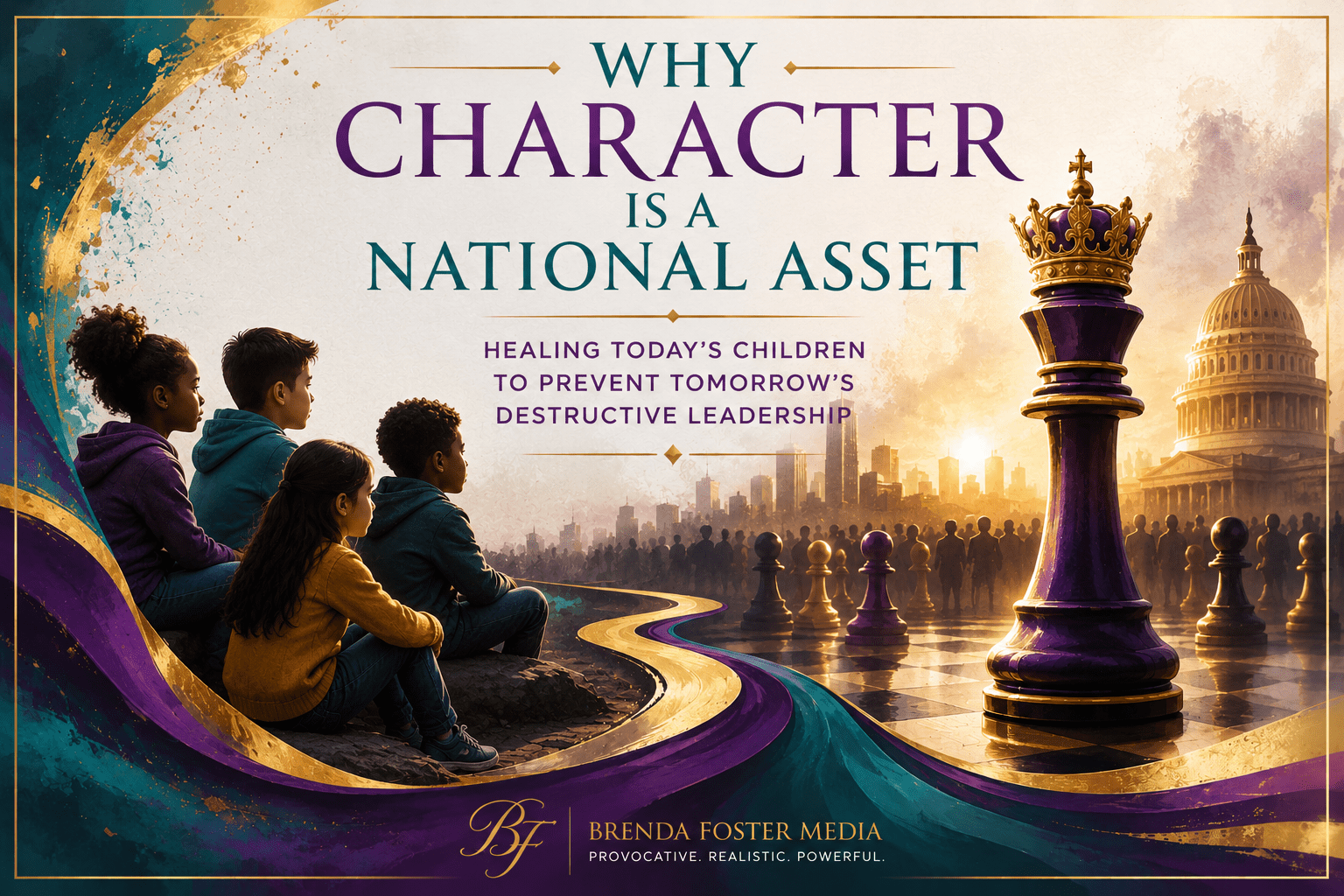
Today’s children are growing up amid violence, family instability, poverty, bullying, social isolation, and constant exposure to conflict through digital media. If these emotional injuries remain untreated, society risks producing future leaders whose decisions are driven by fear, anger, resentment, or a desperate need for control rather than wisdom and empathy.
Preventing tomorrow’s destructive leadership begins long before a person enters politics or positions of influence. It begins by investing in healthy families, emotionally safe schools, accessible mental health care, positive role models, and communities that teach emotional literacy, accountability, and compassion.
The greatest defense against future tyranny may not simply be stronger political systems, but healthier childhoods. By helping young people heal today, we increase the likelihood that tomorrow’s leaders will govern with integrity, empathy, and respect for human dignity.

Discover more from STATUS DIGITAL MEDIA
Subscribe to get the latest posts sent to your email.

